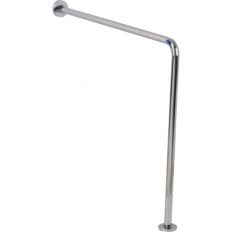




Изготавливаем дверные ручки из нержавейки по индивидуальным пожеланиям заказчика: любой длины и формы, с любым межосевым расстоянием. Условия и цены покупки ручек из нержавеющей стали оптом уточняйте у менеджера.
Трудно представить двери без ручек. Они обеспечивают возможность для открытия и закрытия. Важно выбирать действительно качественные модели. Рекомендуется устанавливать изделия выполненные из нержавеющей стали, которые славятся прочности и надёжностью. Могут использоваться пять, десять и более лет.
Для каждого интерьера дверная ручка подбирается индивидуально. Наши ручки-скобы представляют собой высококачественное изделие из нержавеющей стали, натурального дерева либо сочетания этих материалов. Продукцию нашей фирмы можно встретить на входных и межкомнатных дверях от Калининграда до Владивостока. Сфера их применения самая разнообразная. Их устанавливают на двери в офисах, торговых центрах, банках, административных зданиях, салонах, бутиках, отелях, ресторанах, вокзалах и аэропортах.
Двух вариантах дверного крепления: прямое или выносное.
Размеры от 500 мм до 2200 мм в металле и до 1500 мм в дереве. Либо размеры по желанию заказчика.
Ручки-скобы из нержавеющей стали могут быть смонтированы на металлических, деревянных, стеклянных или алюминиевых дверях, ящиках и входных группах.
Прямое крепление используют для дверей без замочной ячейки. Как правило, – это стеклянные двери. В этом случае плотность прилегания металлической ручки к стеклянному полотну двери обеспечивают специальные силиконовые уплотнители, входящие в комплект.
Дверные ручки с выносным креплением используются в дверях и входных группах, имеющих замочную ячейку.
В нашей компании можно купить металлические дверные ручки, созданные по оригинальной технологии на современном оборудовании. За надежность и долговечность ручек для двери из дуба и комбинированных металл-дерево можно не переживать! Мы используем лишь высококачественные материалы: нержавеющую сталь, деревянный брус, качественную химию для обработки дерева. Наша продукция защищена от коррозии, поэтому она использоваться внутри помещений и на открытом воздухе.
Каждая ручка поставляется в отдельной упаковке. Такой подход обеспечивает высокую сохранность при доставке изделий на большие расстояния, а постоянное наличие на складе основных заготовок позволяет в короткие сроки выполнять любые Ваши заказы.
Мы предлагаем:
1.Высокое качество.
2.Возможность индивидуального заказа.
3.Адекватную цену.
4.Современный дизайн.
5.Большой выбор.
Заказать можно онлайн на нашем сайте, позвонив по телефону +7 (495) 783 93 59, либо через почту fd@ferrumd.ru .
РУЧКИ ДЛЯ ДВЕРЕЙ ИЗ НЕРЖАВЕЮЩЕЙ СТАЛИ
Мы уверены, что секрет хорошего интерьера скрывается в мелочах. А ручки – это именно та мелочь, которая встречает Вас, Ваших знакомых и партнеров у порога. От того, насколько удобна дверная ручка, зависит первое впечатление от помещения. Удобна ли для руки? Гармонично ли сочетается с дверным полотном? Соответствует ли внешнему и внутреннему виду двери и здания?Трудно представить двери без ручек. Они обеспечивают возможность для открытия и закрытия. Важно выбирать действительно качественные модели. Рекомендуется устанавливать изделия выполненные из нержавеющей стали, которые славятся прочности и надёжностью. Могут использоваться пять, десять и более лет.
Для каждого интерьера дверная ручка подбирается индивидуально. Наши ручки-скобы представляют собой высококачественное изделие из нержавеющей стали, натурального дерева либо сочетания этих материалов. Продукцию нашей фирмы можно встретить на входных и межкомнатных дверях от Калининграда до Владивостока. Сфера их применения самая разнообразная. Их устанавливают на двери в офисах, торговых центрах, банках, административных зданиях, салонах, бутиках, отелях, ресторанах, вокзалах и аэропортах.
АССОРТИМЕНТ И ПРОИЗВОДСТВО ДВЕРНЫХ РУЧЕК ИЗ НЕРЖАВЕЮЩЕЙ СТАЛИ
Наши изделия представлены в двух вариантах – полированные или матовые.Двух вариантах дверного крепления: прямое или выносное.
Размеры от 500 мм до 2200 мм в металле и до 1500 мм в дереве. Либо размеры по желанию заказчика.
Ручки-скобы из нержавеющей стали могут быть смонтированы на металлических, деревянных, стеклянных или алюминиевых дверях, ящиках и входных группах.
Прямое крепление используют для дверей без замочной ячейки. Как правило, – это стеклянные двери. В этом случае плотность прилегания металлической ручки к стеклянному полотну двери обеспечивают специальные силиконовые уплотнители, входящие в комплект.
Дверные ручки с выносным креплением используются в дверях и входных группах, имеющих замочную ячейку.
В нашей компании можно купить металлические дверные ручки, созданные по оригинальной технологии на современном оборудовании. За надежность и долговечность ручек для двери из дуба и комбинированных металл-дерево можно не переживать! Мы используем лишь высококачественные материалы: нержавеющую сталь, деревянный брус, качественную химию для обработки дерева. Наша продукция защищена от коррозии, поэтому она использоваться внутри помещений и на открытом воздухе.
КАК КУПИТЬ РУЧКИ ИЗ НЕРЖАВЕЮЩЕЙ СТАЛИ?
Мы предлагаем ручки-скобы для дверей из полированной и шлифованной нержавеющей стали. Готовы изготовить любое необходимое клиенту количество, различные модели и размеры. Существует возможность выполнения согласно индивидуальных и нестандартных пожеланий клиента.Каждая ручка поставляется в отдельной упаковке. Такой подход обеспечивает высокую сохранность при доставке изделий на большие расстояния, а постоянное наличие на складе основных заготовок позволяет в короткие сроки выполнять любые Ваши заказы.
Мы предлагаем:
1.Высокое качество.
2.Возможность индивидуального заказа.
3.Адекватную цену.
4.Современный дизайн.
5.Большой выбор.
Заказать можно онлайн на нашем сайте, позвонив по телефону +7 (495) 783 93 59, либо через почту fd@ferrumd.ru .